


What to do if Your Pet Eats Something They Shouldn’t?
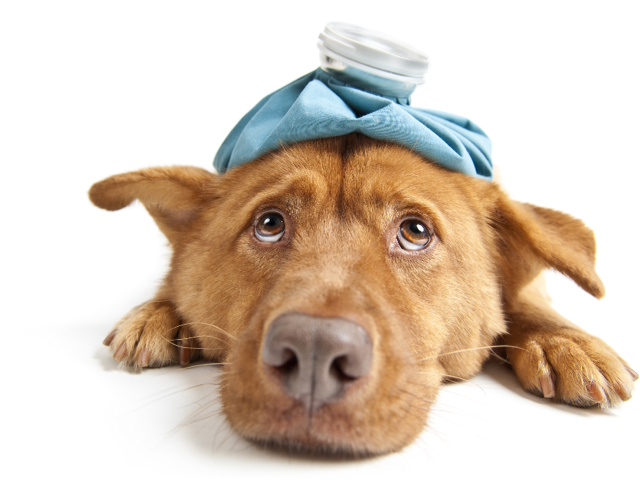
Stay calm! When you panic you loose the ability to think rationally. In an ingestion, or an emergency, rational thought is vital to the accurate assessment of the situation and getting your pet the assistance they need, when they need it.
Keep the phone number of your vet and closest animal emergency hospital readily accessible. Call if you have concerns regarding your pets behavior. The more relative information you can provide the better. Sometimes its hard to know EXACTLY what our pets have done but being prepared to answer the following questions will help your veterinarian help your pet.
- Do you know what was ingested? If so, be prepared to provide everything you know about the substance ingested including all active ingredients. if you have the packaging (or remnants there of) the substance was in, save it and take it with you should you need to go to the hospital or clinic. If not, knowing what plants you have that could be toxic to pets or what chemicals are within reach of pets would be helpful. Also, if you need to leave in a hurry, leaving someone behind (or asking a friend or neighbor) to look for signs of things your pet could have chewed or left behind after consumption could also help uncover the source and get proper treatment started quickly.
- How long ago did the incident occur? Did you see your pet consume any product? If you were not present when the incident occurred, what is the time frame the incident could have occurred within?
- How much could have possibly been ingested? How much could they have come in contact with? Was the bag/bottle new or unopened? if opened, approximately how much had been used/consumed the last time you remember seeing the bag/bottle before your pet accessed it? Was there remaining product in the bag/bottle (or on the floor) after your pet accessed it?
- If symptoms are present, what are they and when did they begin?
- Have you taken any measures (ex: attempted to induce vomiting, washed out mouth or rinsed eyes, given OTC remedies, etc) prior to coming into the clinic or emergency room?
Another great number to have handy in case of emergency is the ASPCA Animal Poison control Center (888-426-4435). Call immediately if you suspect your pet has consumed something toxic. There is a charge for their service but it just may save you money in the long run. There is also another pet poison hotline called Pet Poison Helpline (800-213-6680) They also have a charge for their service but this is no time to price shop. PICK ONE and call. Make note of the incident number you are given and give it to your veterinarian in case they have further questions.
Do not induce vomiting without veterinary direction if your pet has ingested chemicals or items with sharp edges – including chewed bones. Certain typed of poisons can be made worse, sharp edges can scrape or become lodged and restrict air flow when vomiting is induced.
Seek immediate medical attention if your pet experiences vomiting, diarrhea, lethargy, bloody stool, increased heart or respiratory rate, shallow or labored breathing, weakness, pale mucus membranes, jaundice, red or orange tinted urine, exercise intolerance, loss of appetite, respiratory distress or collapse.




Great article, Tracy!
Thank you. I hope it helps someone when they need it.