


The Truth About Poinsettias
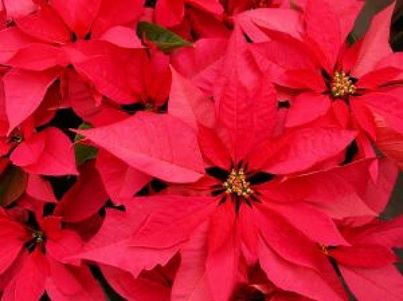
We’ve all heard stories of the poisonous poinsettia. For years these tales have perpetuated the reputation of the poinsettia as deadly beauties. Just the other day I was in a store and I heard a lady proclaim to her children when they asked for a poinsettia “No, we can’t have those they’re poisonous.” Are they? The fact is the milky white sap found in poinsettias contains chemicals called diterpenoid euphorbol esters and saponin-like detergents. Truth is, even an excessive ingestion of these composites by your pet very rarely produces anything more than mild gastrointestinal tract irritation which can include some drooling or mild vomiting. Turns out, like most things, you should keep them out of reach of pets that will chew them, but there is no need to banish them from your holiday decor. All those stories about the “poisonous poinsettia” are more myth than plot line for the next Steven King novel. So sit back, relax and enjoy your poinsettias this holiday season.
What to do if your pet chews your poinsettia:
There is no antidote for poinsettia poisoning. Good thing there isn’t really a need for one. Should ingestion occur watch your pet for signs of drooling, mild vomiting or possibly mild diarrhea. Medical intervention is rarely necessary. However, if any of the signs become severe, seek medical attention.
If the milky sap gets on the fur, wipe it off with a damp cloth or paper towel. If the skin is exposed to the sap dermal irritation may develop. Symptoms of dermal irritation include redness swelling and itchiness. Wipe the skin with mild soap and water removing any visible sap this will prevent further irritation.
Sap exposure to the eye, rarely occurs but when it does can result in a mild conjunctivitis (“pink eye”). Signs are self-limiting and generally don’t require medical treatment. As always, if any sign becomes severe seek medical attention.
Another Christmas favorite I hear about quite often is mistletoe. If you’re into plant identification, you know there are several varieties of mistletoe on the market during the holiday season, some American some European. American mistletoe is much less toxic than European varieties but for those of us not interested in becoming a botanist just to buy sprig of mistletoe; we will stick with the basics. The berries from the mistletoe are the main culprit. They contain polysaccharides, alkaloids and lectins. Always keep mistletoe out of the reach of pets. Like so many plants, the chemicals contained within mistletoe generally results in mild to moderate gastrointestinal irritation. Fortunately, most of us only possess a small quantity of mistletoe. Usually just enough to get our own hearts pumping when that special someone walks close by. Pets who ingest a small amount of mistletoe can experience vomiting, diarrhea, drooling and abdominal pain. However, a pet who ingests large quantities of mistletoe may not be so fortunate. An excessive mistletoe ingestion can result in abnormal heart rate, a staggering walk (ataxia), low blood pressure (hypotension), seizures, collapse and even death. When it comes to mistletoe it’s better to be safe than sorry. If you suspect an ingestion has occurred contact your veterinarian or local pet poison Hotline for help.
When discussing any form of ingestion I hate using the words small quantity, large or excessive quantity. I much prefer telling you what constitutes a large quantity vs a small quantity. However, when talking about animals many factors need to be considered. Age, weight, breed and any preexisting medical condition can all effect the outcome. Anytime you suspect your pet has ingested anything or you are concerned about your pets behavior, contact your veterinarian, local emergency clinic or pet poison hotline.